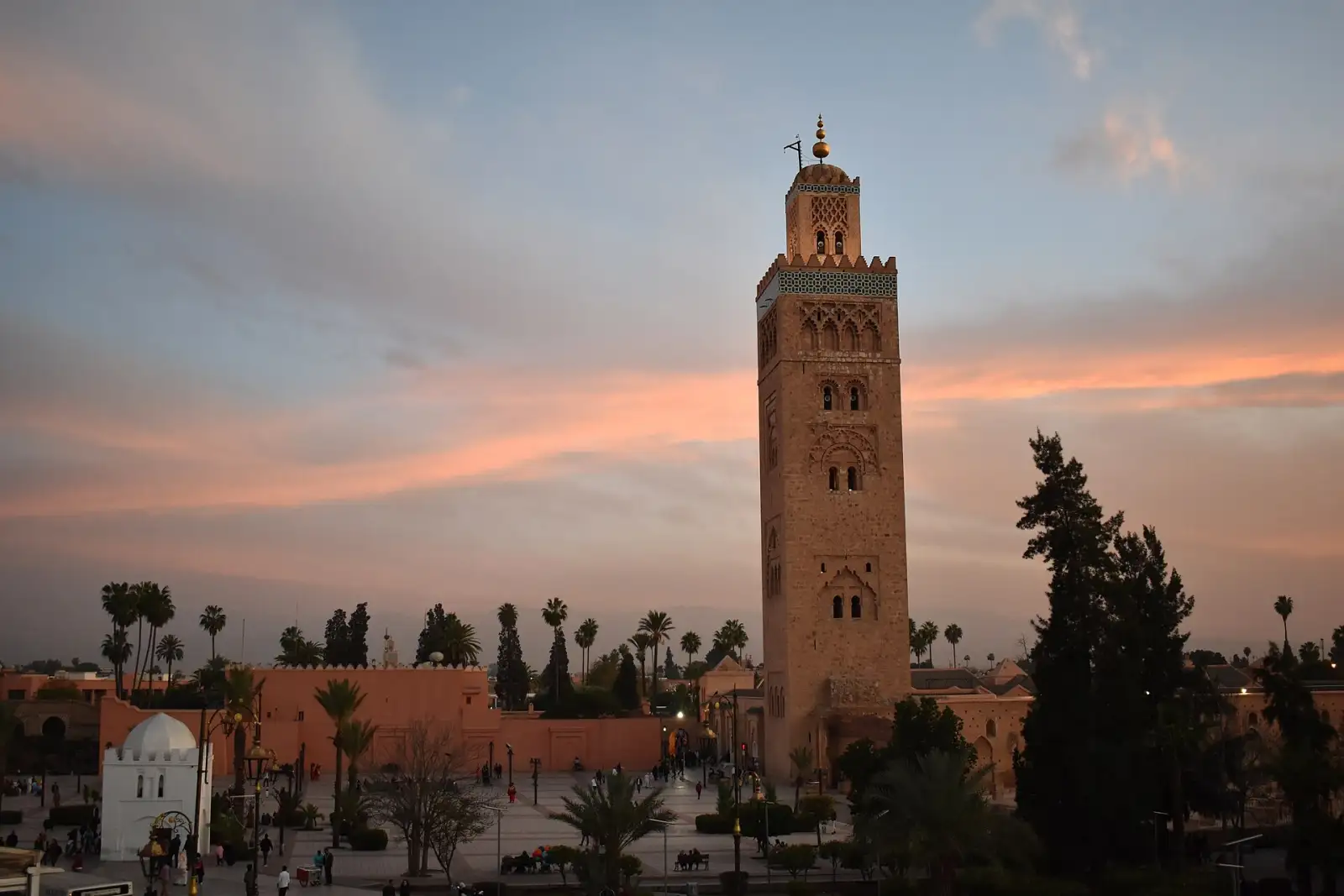
Country dossier
Living in Morocco: Residence, Costs, Schools and Muslim Life for Foreigners
What official sources say about residence cards, entry rules, inflation, schools, mosques, health insurance and safety for foreigners living in Morocco.
Photo: Misa.stefanovic.07, CC BY-SA 4.0, Wikimedia Commons
At a glance
- Population (2024 census)
- 36,828,330 legal residents, of whom 148,152 foreigners
- Foreign residents, 2014 to 2024
- 86,206 to 148,152 (+71.8%)
- Annual inflation, Sep 2026
- 0.5% year on year (HCP)
- Residence law
- Law 02-03 on entry and stay of foreigners
- Religious administration
- Ministry of Habous and Islamic Affairs; Maliki rite emphasised in official guidance
- French-system schools
- About 44 approved establishments and almost 49,000 pupils (2025-26)
Morocco is a Muslim-majority kingdom in North Africa where the Ministry of Habous and Islamic Affairs organises religious life and where French, Arabic and Amazigh languages meet. This guide summarises what official and press sources say today about entry, residence, costs, schools, mosques, health insurance and safety. It is information, not advice: rules change, and a licensed professional should review any decision on residency. Where we could not open an official page on 12 November 2026, the text says so.
Hijrapass does not claim that any country is better than another. Compare options by criterion in our country ranking, or read the guides to Turkey and Egypt.
Entry and visas
Entry rules depend on nationality. Travel guides say citizens of more than 60 to 70 countries can enter visa-free for up to 90 days (shorter for a few nationalities, for example 30 days for the Maldives), and that Morocco launched an e-visa system on 10 July 2022 for nationalities that still need a visa. One 2026 article says the process is being refined, but we could not verify that against an official notice. Extending a stay goes through a local police station and is not automatic, according to the same guides. We did not retrieve the official list of exempt countries, so confirm yours with a Moroccan consulate before travelling.
Residence
Law 02-03 governs the entry and stay of foreigners in Morocco. According to a Moroccan business-press summary of the framework (Medias24), a foreigner over 18 who stays beyond the short-stay period must hold one of two documents:
- A registration card (carte d’immatriculation) for stays over 90 days, with categories such as visitor, student or worker.
- A residence card (carte de résidence), reserved for people with at least four years of uninterrupted residence, spouses of Moroccan nationals and some family members of card holders.
The national police (DGSN, dgsn.gov.ma) issues the cards; a “new generation” of residence documents was launched in 2020. Applications are made in person with documents such as a legalised copy of the passport. Fees and processing times differ across sources (one says about 100 dirhams and around 35 days, another one to two weeks), so we do not publish figures. A draft implementing decree was reported by the Council of Government, but we could not confirm its status. A commercial site lists several card types, but its descriptions do not match the press summary, so treat those as leads only.
Retirees
We did not find an official Moroccan retiree visa or a published income threshold for retirees. Retirees generally fall under the same registration or residence card rules above, and the same sources say foreign retirees without employment should plan their own health coverage (see below). A retiree-specific programme, if one exists, should be confirmed with DGSN or a consulate. For a fuller treatment of retirement elsewhere, see retiring in Malaysia.
Costs, prices and the dirham
The currency is the Moroccan dirham (MAD). Bank Al-Maghrib (bkam.ma) publishes the daily reference exchange rate; because we could not read a specific dated rate today, Hijrapass does not convert dirham amounts to dollars in this guide. Bank Al-Maghrib data show the dirham appreciating 0.9% against the dollar and depreciating 0.2% against the euro over 29 October to 4 November 2026, a small illustration of how a dollar-converted budget can move week to week.
On prices, the High Commission for Planning (HCP) reports that the consumer price index in September 2026 rose 1.0% from August and 0.5% from September 2025. Food prices were 2.5% lower than a year earlier and non-food prices 2.8% higher, with transport up 9.4% year on year. Core inflation was 0.6% year on year. The index rose after two months of deflation in July and August. The HCP page we read does not give a housing figure, and we did not find a verified official rent series for Rabat, Casablanca, Tangier, Marrakech or Agadir, so we publish none.
Where foreigners live
The 2024 census counted 148,152 foreigners among 36,828,330 legal residents, up from 86,206 in 2014 (+71.8%, about 5.6% a year), according to HCP figures reported in the press. The HCP published an analysis of foreign residents on 27 November 2025 (reported by Telquel), which may include a city breakdown; we could not open it. As a result we do not rank Rabat, Casablanca, Tangier, Marrakech or Agadir by foreign population. When you shortlist a city, check the HCP analysis and local sources for neighbourhoods, schools and mosques.
Schools
Morocco hosts one of the largest French-system networks of the AEFE (the French agency for education abroad). A local guide counts 22 AEFE establishments, 10 OSUI schools and 9 partner schools, and press reports describe about 44 approved establishments and close to 49,000 pupils in 2025-26, with the AEFE director-general speaking of nearly 50,000 for 2026-27. Fees have been contested: parent groups have protested increases, and in July 2026 the AEFE said it would try to slow fee rises from 2027. We did not find official data on American, British, Moroccan private or Quranic schools that we could verify today, so we do not describe or rank them. Ask each school for its current fees, curriculum and Arabic and religious-studies provision.
Religious life
Religious administration is the role of the Ministry of Habous and Islamic Affairs (also translated as Endowments and Islamic Affairs). It supervises mosque construction and maintenance and the training of imams. Its guidance stresses Morocco’s doctrinal references, in particular the Maliki school of Sunni Islam. Ahead of Ramadan 2026 the ministry announced the opening of 157 mosques (95 newly built, 42 rebuilt, eight historic mosques reconstructed and 11 restored). We did not find an official total number of mosques, so we do not quote one. Questions of religious obligation and choice are for qualified scholars; see our guide to making hijrah for how views differ.
Halal context
We did not retrieve an official Moroccan source on halal certification, so this page makes no claim about a national halal mark or how it is enforced. If halal assurance matters to your household, ask retailers and importers which body certifies their products and check that body’s status with the relevant Moroccan authority.
Healthcare and insurance
Morocco is generalising compulsory health insurance (AMO). Secondary sources say health insurance is compulsory for formally employed workers, Moroccan or foreign, with enrolment usually done by the employer, and that the CNSS (private-sector workers), CNOPS (civil servants) and the regulator ANAM are the institutions involved. Sources disagree on whether non-working foreign residents or retirees can join: one commercial guide says permanent-residence holders can, another says they must arrange private cover. We could not resolve this from an official source, so check with CNSS or ANAM. Hijrapass does not recommend any insurance product.
Safety
UK FCDO (read 12 November 2026, last updated 19 August 2026): the Morocco regional-risks page names no region the FCDO advises against. The land and sea borders with Algeria are closed and monitored, and crossing without authorisation is illegal. The FCDO publishes separate advice for Western Sahara; one summary of that advice describes areas within 30 km of the Berm and the territory south and east of it as ones it advises against. Insurance should cover your itinerary and planned activities. Read the current Morocco advice and the US State Department’s Morocco advisory before travelling.
Questions to put to official sources
Because several details above could not be confirmed from an official page, a family comparing Morocco with other countries may find it useful to list what to ask, and of whom:
- DGSN or the local préfecture: which card category applies to your situation, the current fee, the documents that must be legalised or translated, and how long a decision takes in your city.
- A Moroccan consulate or the e-visa portal: whether your nationality needs a visa, whether an electronic authorisation applies, and how long you may stay on arrival.
- CNSS or ANAM: whether non-working residents can enrol in the compulsory scheme and on what conditions; until you have that answer in writing, treat private arrangements and employer enrolment as separate questions.
- Each school: the current fee schedule, the language of instruction, Arabic and religious-studies hours, and whether places are available at the grade your child needs. Fee increases in the French-system network have been publicly debated, so ask for the multi-year picture.
- Your neighbourhood mosque committee and the Ministry of Habous and Islamic Affairs: for local prayer arrangements during Ramadan and on Fridays.
What this page does not cover
This page does not give rent levels, a dirham-to-dollar conversion, a ranking of cities, a verified halal certification source or a statement of the number of mosques, because we could not confirm those from an official source on 12 November 2026. It does not advise on whether to move, which is a decision for each family, with scholars where religious questions arise and with a licensed immigration professional on legal ones. The site’s methodology explains how sources are chosen and how often pages are revisited.
Frequently asked questions
Do I need a visa to enter Morocco?
Entry rules depend on nationality. Travel guides say citizens of more than 60 to 70 countries can enter visa-free for up to 90 days, and that Morocco launched an e-visa system on 10 July 2022 for nationalities that still need a visa. We could not retrieve the official list, so check it with the nearest Moroccan consulate or the e-visa portal before travelling.
How do foreigners get residence in Morocco?
Law 02-03 sets the framework. Per a Moroccan business-press summary, a foreigner over 18 staying beyond the short-stay period must hold a registration card (carte d'immatriculation) or a residence card (carte de résidence), both handled through the national police (DGSN). Fees and processing times are quoted differently by different sources, so confirm them with DGSN or the local préfecture.
Is Morocco expensive for a family?
Morocco's official consumer price index rose 0.5% in September 2026 against a year earlier, with food down 2.5% and non-food up 2.8%. We did not find a verified, official rent series by city, so Hijrapass does not publish rent levels.
Can foreign children attend French or international schools in Morocco?
Morocco hosts a large French-system network: about 44 approved establishments and roughly 49,000 pupils in 2025-26, according to press and a local guide quoting AEFE data. Fees have been a public topic, with parents' groups and AEFE leadership discussing increases in 2026. Admission rules are set by each school.
Is there a region of Morocco the UK advises against visiting?
The FCDO's regional-risks page for Morocco (read 12 November 2026) names no region, but separate Western Sahara advice exists, and the land and sea border with Algeria is closed. Check both FCDO pages before any trip.
Sources
- Haut-Commissariat au Plan — CPI for September 2026 — read on 12 November 2026
- North Africa Post — Moroccan population grows 8.8% in a decade (2024 census, HCP data) — read on 12 November 2026
- Telquel — Qui sont les résidents étrangers au Maroc ? — read on 12 November 2026
- Medias24 — Nouvelle génération de titres de séjour au Maroc (secondary source) — read on 12 November 2026
- Demarches Maroc — Procédure d'obtention du titre de séjour (secondary source) — read on 12 November 2026
- DGSN — Direction Générale de la Sûreté Nationale — read on 12 November 2026
- Bank Al-Maghrib — exchange rates — read on 12 November 2026
- Hespress FR — Dirham against the dollar, week of 29 Oct to 4 Nov (BAM data) — read on 12 November 2026
- UK FCDO — Morocco travel advice — read on 12 November 2026
- UK FCDO — Morocco, regional risks — read on 12 November 2026
- UK FCDO — Western Sahara, regional risks — read on 12 November 2026
- Le Petit Journal Casablanca — Système scolaire au Maroc, guide complet — read on 12 November 2026
- Hespress FR — Ahmed Toufiq on respect of religious constants — read on 12 November 2026
- SNRT News — Mosque rehabilitation and security measures presented by Ahmed Toufiq — read on 12 November 2026
- Le Desk — CNSS: generalisation of compulsory health insurance — read on 12 November 2026
- Expat Focus — Morocco health insurance (secondary source) — read on 12 November 2026
Spotted an error or an outdated rule? See our corrections policy. Corrections
Read next
 Destinations
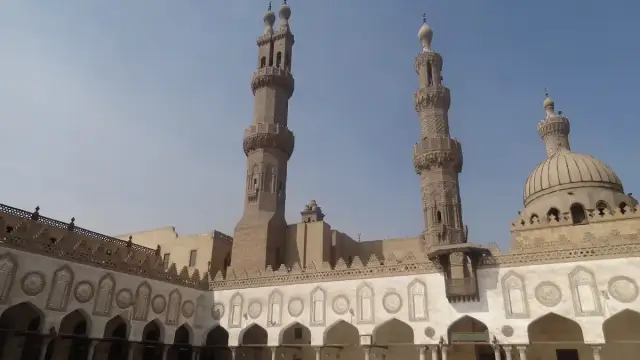
Egypt: residence, Al-Azhar, costs and safety
Residence permits, property-linked residency, Al-Azhar study, inflation, the pound's volatility, schools, halal rules, health insurance and FCDO advice for Egypt.
 Destinations
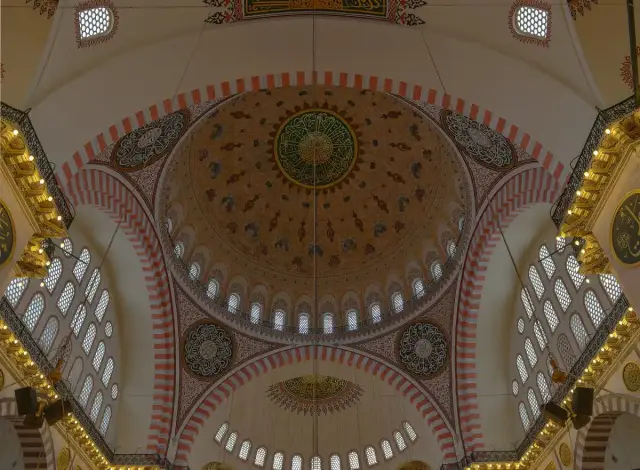
Turkey: residence, costs, schools and halal life
Residence permits, citizenship-by-investment thresholds, inflation, health insurance, halal oversight, earthquake preparedness and safety for Muslim families in Turkey.
 Destinations
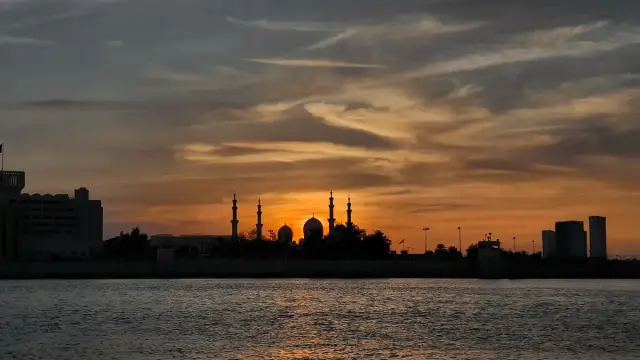
The UAE: visas, costs, schools and halal life
Residence routes, cost pointers, Islamic education in schools, Friday prayer, Ramadan hours, halal marks, health cover and FCDO advice for Muslims in the UAE.
The Hijrapass briefing
When a rule or a figure changes, you will know.
New dossiers, updated visas and cost figures, and what moved in our rankings: one short briefing, no noise.
The email briefing opens once our privacy notice is reviewed. RSS carries every update today.